Ube's Unique Taste: Sweet, Vanilla, and Perfect for Desserts
In the vibrant tapestry of global cuisine, certain ingredients emerge not just as culinary stars but as cultural ambassadors, captivating palates and sparking curiosity worldwide. Among these, the Ube vegetable stands out—a stunning, naturally purple yam from the Philippines that has swept across social media feeds and dessert menus alike. More than just its captivating violet hue, it's the Ube vegetable's distinctive and delightful flavor profile that has truly cemented its place in the hearts of food enthusiasts: a nuanced blend of sweetness, subtle vanilla, and a creamy texture that makes it an unparalleled contender for creative dessert applications.
For those unfamiliar with this striking tuber, the question often arises: what exactly is this purple marvel, and what makes its taste so special? Let's delve into the fascinating world of Ube, exploring its origins, unique flavor characteristics, and why it has become the darling of dessert kitchens globally.
What is the Ube Vegetable? A Purple Yam with Rich Heritage
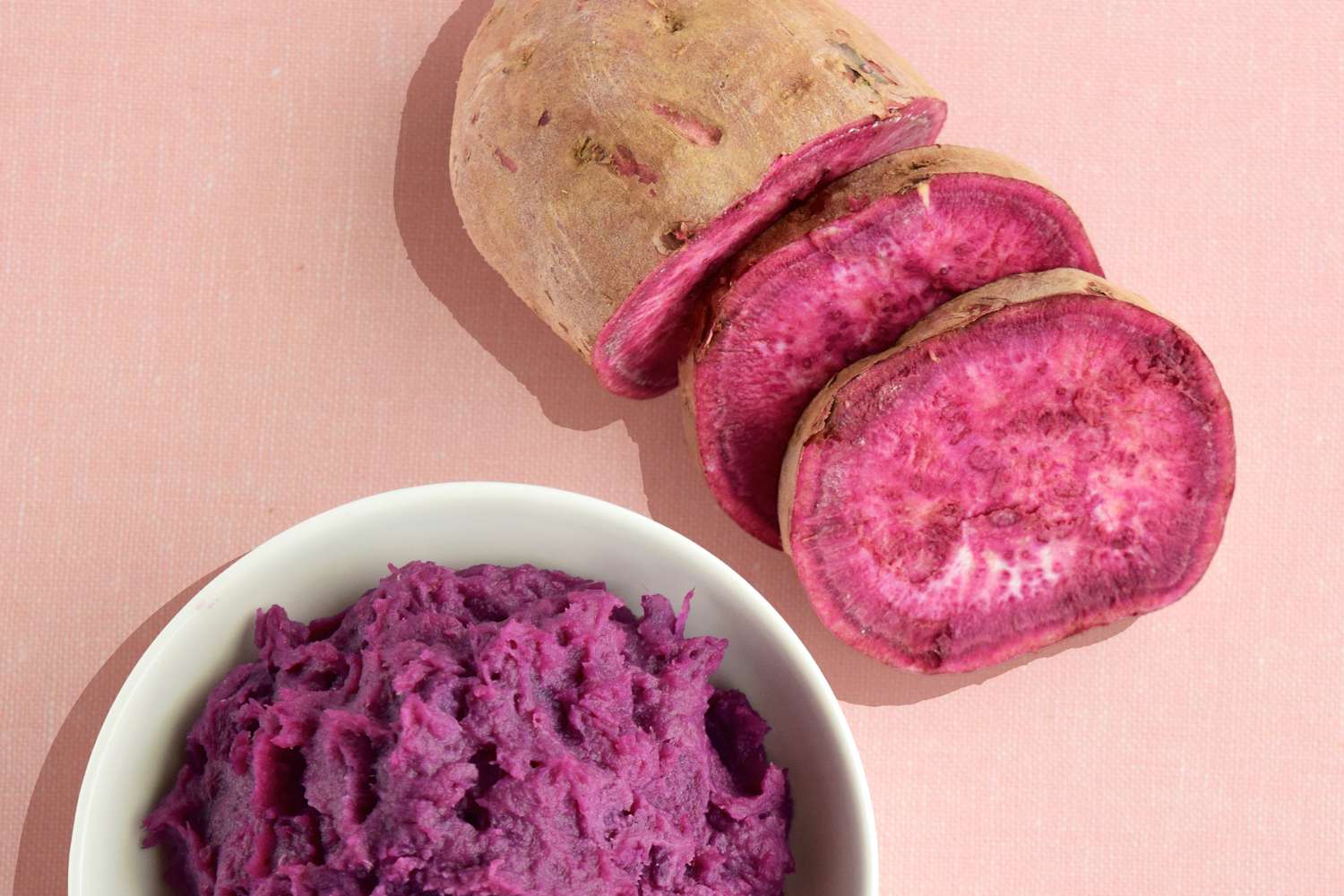
At its core, ube (pronounced ooh-bay) is a starchy root crop, specifically a purple yam (Dioscorea alata), that originated in the Philippines. The word "ube" itself means "tuber" in Tagalog, the native language of the Philippines, highlighting its fundamental nature as a root vegetable. Unlike its more common orange-fleshed relatives, the Ube vegetable boasts a naturally rich, deep purple interior—a characteristic that makes it instantly recognizable and visually appealing.
While often confused with purple sweet potatoes or taro, the Ube vegetable is a distinct species with its own unique properties. Historically, it has been a staple in Filipino households, not just as a source of nutrition but as a beloved ingredient central to many traditional dishes, particularly desserts. Its journey from a local favorite to a global sensation is a testament to its compelling qualities, driven by its aesthetic appeal and, most importantly, its remarkable taste.
Unpacking Ube's Unique Flavor Profile: Sweet, Vanilla, and Nutty Nuances
The true magic of the Ube vegetable lies in its complex yet comforting flavor. Describing it simply as "sweet" would be an understatement, as its taste carries layers of delightful nuances that set it apart from other root vegetables. Imagine a sweetness that is mild and gentle, never overpowering, perfectly complemented by delicate notes of vanilla. This vanilla-like essence is perhaps the most distinctive aspect of ube's flavor, giving it an aromatic quality that elevates it beyond mere sweetness.
Beyond the primary sweet and vanilla tones, many describe the Ube vegetable as having subtle nutty undertones. This nuttiness adds a depth and earthiness that grounds its sweetness, preventing it from being one-dimensional. Furthermore, its texture is crucial to its appeal. When boiled and mashed, ube becomes incredibly creamy and smooth, significantly less starchy than a traditional yam or potato. This inherent creaminess makes it an ideal base for blending with other ingredients, particularly dairy or condensed milk, which further enhances its sweet, smooth, and decadent character.
- Sweet but Mellow: A natural, understated sweetness that harmonizes rather than dominates.
- Distinct Vanilla Hint: A fragrant, aromatic quality reminiscent of vanilla extract.
- Subtle Nutty Undertone: Adds complexity and a grounding richness to the flavor.
- Creamy Texture: Less starchy than other yams, it yields a silky-smooth consistency perfect for purées and fillings.
This unique combination of flavors—sweet, vanilla, and nutty—paired with its luxurious creaminess, creates an experience that is both familiar and exotic, making the Ube vegetable truly unforgettable.
Why the Ube Vegetable Shines in Desserts
Given its exquisite flavor profile, it's no surprise that the Ube vegetable finds its most celebrated applications in the realm of desserts. Its natural sweetness means less added sugar is required, allowing its inherent flavors to shine. The delicate vanilla notes are a natural complement to a wide array of sweet ingredients, from coconut milk and condensed milk to chocolate and various spices.
Historically, ube has been a cornerstone of Filipino desserts. Perhaps the most famous is Ube Halaya, a rich and creamy jam made by boiling and mashing ube with condensed milk, butter, and coconut milk. This versatile jam then forms the base for countless other treats, from the colorful layers of halo-halo (a shaved ice dessert) to pastries, cakes, and ice cream. Today, its popularity has exploded globally, seeing it incorporated into:
- Ice Cream: Ube ice cream is a vibrant, creamy delight, often among the first ube products people try.
- Baked Goods: From cookies and crinkles to cheesecakes and donuts, ube lends its flavor and color beautifully.
- Beverages: Ube lattes, milkshakes, and bubble tea flavors offer a refreshing way to experience its taste.
- Pastries: Fillings for pandesal (Filipino bread rolls), mochi, and tarts benefit from ube's unique texture and flavor.
Beyond its taste, the Ube vegetable's striking purple color adds an undeniable visual appeal to any dessert, making it not just delicious but also Instagram-worthy. This combination of aesthetic beauty and exceptional flavor ensures that ube-infused desserts are always a treat for both the eyes and the palate.
Ube vs. Its Purple Cousins: A Flavor Distinction
The growing popularity of the Ube vegetable has inevitably led to comparisons and confusions with other purple-hued root vegetables, most commonly taro and purple sweet potatoes. While they might share a similar appearance, their flavor profiles and culinary uses are distinctly different, and understanding these distinctions is key to appreciating ube's unique position in the dessert world. For a deeper dive, check out our article on Ube vs. Taro vs. Purple Sweet Potato: Know the Differences.
- Purple Sweet Potato: Often denser and drier than ube, purple sweet potatoes tend to have a more earthy sweetness and are frequently roasted or baked in savory dishes. While they can be used in desserts, their flavor lacks the distinct vanilla and creamy texture that defines ube.
- Taro: This tuber, while starchy and sometimes confused with ube due to texture, is not naturally purple (it's typically white with purple flecks) and possesses a more neutral, earthy, and subtly nutty flavor. Taro is predominantly used in savory applications across many Asian cuisines, though it also appears in some sweet drinks like bubble tea. Its flavor profile is generally less sweet and lacks the pronounced vanilla notes characteristic of ube.
It is the Ube vegetable's natural sweetness, delicate vanilla undertones, and inherent creaminess that truly distinguish it, making it the preferred choice for dessert creations where those specific characteristics are desired.
Incorporating Ube into Your Culinary Adventures
Ready to explore the delicious potential of the Ube vegetable? Here are some practical tips and ideas for bringing its unique taste into your kitchen:
- Start with Ube Halaya: Many recipes begin with ube halaya, the traditional ube jam. You can find this pre-made in Asian grocery stores or easily make it yourself by boiling and mashing fresh or frozen ube with condensed milk and butter.
- Ube Powder or Extract: For convenience, ube powder (dried ube) or ube extract (flavoring) can be used. The extract provides the iconic color and flavor, perfect for adding to batters, frostings, and drinks when fresh ube isn't available.
- Baking: Substitute a portion of flour in your favorite cake, cookie, or pancake recipes with ube powder, or incorporate ube halaya for moisture and flavor. Ube cheesecake, muffins, and bread are popular choices.
- Frozen Delights: Blend cooked ube with coconut milk, condensed milk, and a touch of sugar for homemade ice cream or popsicles.
- Savory Twist: While primarily sweet, some chefs are experimenting with ube in savory dishes, adding its unique flavor to purées or side dishes to create an unexpected contrast.
The Ube vegetable offers a world of culinary possibilities, limited only by your imagination. Its versatility, combined with its striking appearance and exquisite taste, makes it an exciting ingredient for any home cook or professional chef.
Conclusion
The Ube vegetable is far more than just a pretty purple ingredient. It's a culinary gem from the Philippines, celebrated for its truly unique flavor—a harmonious blend of sweet, mild, and utterly captivating vanilla notes, underscored by a subtle nuttiness and a luxurious creamy texture. This distinct profile, coupled with its vibrant hue, makes it an unparalleled choice for an array of desserts, from traditional Filipino delicacies to contemporary global treats. As its popularity continues to soar, the Ube vegetable invites us to explore new dimensions of flavor, reminding us that some of the most extraordinary tastes come from the simplest, most natural sources. If you haven't yet experienced the magic of ube, now is the perfect time to discover this delightful purple yam and let its unique taste enchant your palate.