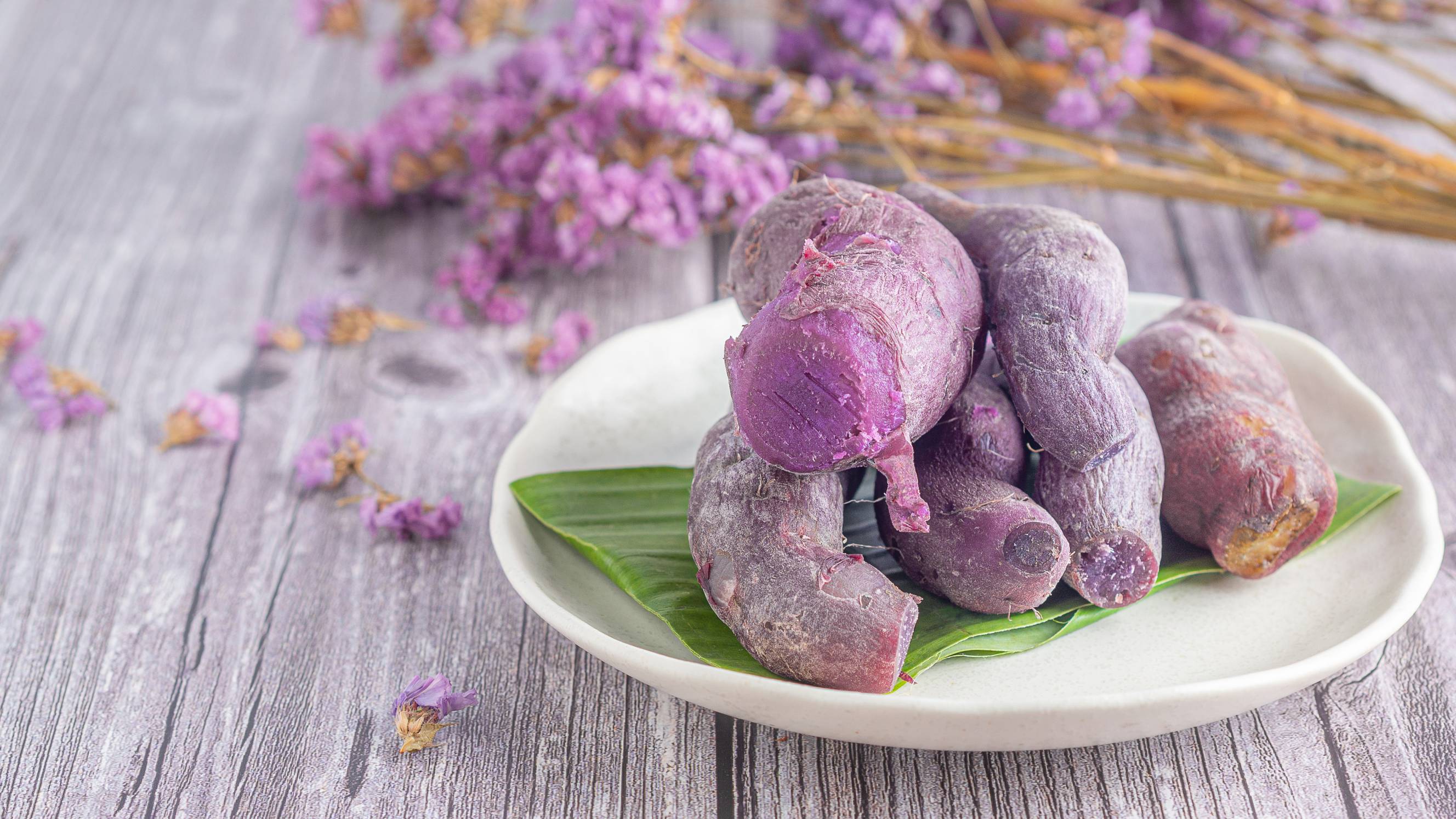
Ube vs. Taro vs. Purple Sweet Potato: Unraveling the Purple Mystery
The culinary world has been painted purple, and it’s more than just a pretty sight. From vibrant lattes to eye-catching desserts, purple-hued ingredients have taken social media by storm, captivating foodies and home cooks alike. But amidst this colorful craze, a common confusion often arises: What exactly is the difference between ube, taro, and purple sweet potato? Though they share a striking color in many applications, these three root vegetables are distinct in their origins, flavors, textures, and culinary uses. Understanding their unique characteristics is key to unlocking their full potential in your kitchen.
At the heart of this vibrant trio is the
ube vegetable, a Filipino superstar that has gained international fame. But before we delve into how to differentiate these roots, let's explore each one individually.
What is Ube? Unpacking the Purple Yam Phenomenon
Ube, pronounced "ooh-bay," is a visually stunning purple yam (botanically known as _Dioscorea alata_) native to the Philippines. The word "ube" itself means "tuber" in Tagalog, the national language of the Philippines, highlighting its importance in the local cuisine. Unlike its more common orange sweet potato relatives, ube boasts a distinctive, naturally vibrant lavender hue that makes it an instant showstopper in any dish.
But ube is more than just its color; its flavor profile is what truly sets it apart.
Ube's unique taste is often described as sweet yet mild, with subtle hints of vanilla, a delicate nuttiness, and sometimes even a faint floral note. It's less starchy than a traditional yam, and when boiled and mashed, it becomes wonderfully creamy and smooth. This characteristic texture and flavor make ube a prime candidate for desserts. In Filipino cuisine, ube is famously used to make _ube halaya_ (a sweetened jam), which then forms the base for countless other treats like ice cream, cakes, pastries, lattes, and the iconic _halo-halo_ shaved ice dessert. Its natural sweetness means it pairs beautifully with ingredients like condensed milk, enhancing its creamy texture and mellow flavor.
Ube's rise to global popularity can be attributed to its photogenic appearance and versatility. Its unique flavor adds an exotic twist to familiar Western desserts, making it a favorite in trendy cafes and grocery stores worldwide.
Taro: The Versatile Root with a Savory Heart
Often confused with ube due to its similar texture and occasional use in sweet dishes, taro is a different starchy tuber (from the family _Araceae_) with a distinct identity. Originating from Southeast Asia and India, taro has been a dietary staple in many tropical regions for centuries.
Visually, taro is easily distinguishable from ube once you know what to look for. While ube has a uniformly purple flesh, taro typically has a rough, brown, scaly exterior and a white or off-white interior flecked with small purple or pinkish-brown specks. It is not naturally and uniformly purple like ube.
Flavor-wise, taro offers a more neutral, earthy, and nutty taste compared to ube's sweet and vanilla notes. While it can have a subtle sweetness, it's generally less pronounced, making it incredibly versatile for both savory and sweet applications. Its texture is soft and starchy when cooked.
In many Asian and Polynesian cuisines, taro shines in savory preparations. It's commonly used in stews, curries, soups, and fried dishes like taro chips. In Hawaii, it's the main ingredient in _poi_, a traditional paste. However, taro also finds its way into popular sweet treats, most notably taro-flavored bubble tea and various Asian desserts where its mild sweetness and unique aroma are appreciated. The key distinction to remember is that while taro can be used in desserts, its natural flavor profile leans more towards savory or a subtly sweet, earthy base, unlike the inherently dessert-friendly ube.
Purple Sweet Potato: Earthy Sweetness with Culinary Depth
Completing our trio is the purple sweet potato, a distinct member of the sweet potato family (_Ipomoea batatas_). While many sweet potato varieties exist globally, the vibrant purple ones are particularly famous, with Okinawan purple sweet potatoes (beni imo) being a well-known example.
Appearance-wise, purple sweet potatoes live up to their name, boasting a deep, rich purple flesh that often extends to their skin. However, despite the shared color, their characteristics diverge significantly from ube.
In terms of flavor, purple sweet potatoes are known for their earthy sweetness. They are generally denser and drier in texture than ube, and their sweetness is more robust and less nuanced, lacking the distinct vanilla or nutty undertones found in ube. This makes them less creamy when mashed compared to ube, often requiring more liquid or fat to achieve a smooth consistency.
Culinary applications for purple sweet potatoes tend to lean towards the savory side. They are excellent when roasted, baked, fried into chips or fries, or incorporated into savory gratins and mashes. Their robust flavor holds up well against spices and herbs. While they can certainly be used in desserts, particularly in pies or purees, their denser texture and more straightforward earthy sweetness give them a different character than ube-based sweets. They offer a hearty, wholesome sweetness that pairs wonderfully with savory meals.
Head-to-Head Comparison: Ube vs. Taro vs. Purple Sweet Potato
To solidify the distinctions, let's break down the key differences:
- Botanical Classification:
- Ube: A true yam (_Dioscorea alata_).
- Taro: From the _Araceae_ family.
- Purple Sweet Potato: A sweet potato (_Ipomoea batatas_).
- Natural Color:
- Ube: Consistently vibrant purple flesh.
- Taro: White or off-white flesh with purple speckles; brown, scaly skin.
- Purple Sweet Potato: Deep purple flesh; sometimes purple skin.
- Flavor Profile:
- Ube: Sweet, mellow, vanilla, nutty, slightly floral.
- Taro: Earthy, nutty, subtle sweetness, neutral.
- Purple Sweet Potato: Earthy, robust sweetness.
- Texture (Cooked):
- Ube: Creamy, less starchy, smooth.
- Taro: Soft, starchy, sometimes slightly fibrous.
- Purple Sweet Potato: Denser, drier.
- Primary Culinary Use:
- Ube: Predominantly desserts (halaya, ice cream, cakes).
- Taro: Versatile – often savory (stews, chips), but also in some sweets (bubble tea).
- Purple Sweet Potato: Primarily savory (roasted, baked, mashed), but can be used in desserts.
Understanding these differentiations is crucial for achieving the desired taste and texture in your dishes. Using a purple sweet potato when a recipe calls for ube, for instance, will result in a significantly different flavor and mouthfeel.
Beyond the Basics: Tips for Culinary Exploration
Now that you know the distinct characteristics of ube, taro, and purple sweet potato, here are some practical tips to help you incorporate them into your cooking:
Identifying Them in the Market:
*
Ube: Look for "purple yam" or "ube." Fresh ube can be harder to find outside of Asian markets; frozen grated ube or ube powder/extract are more common.
*
Taro: Often labeled as "taro root." It has a distinctive scaly, rough brown skin.
*
Purple Sweet Potato: Usually sold simply as "purple sweet potato." Look for smooth, firm skin.
Cooking Suggestions:
*
For Ube: Boil, steam, or roast until tender. The most common preparation is boiling and then mashing it with condensed milk to create _ube halaya_, the base for countless desserts. Try it in pancakes, cheesecakes, or even lattes.
*
For Taro: Peel and boil or steam until very tender. Taro can be slightly irritating if eaten raw, so ensure it's thoroughly cooked. Use it in coconut milk curries, stir-fries, or make a creamy taro soup. For a sweet treat, try it in a traditional taro pudding.
*
For Purple Sweet Potato: These are excellent baked whole, roasted with herbs and olive oil, or mashed as a side dish. Their firmness makes them great for oven fries or even in a vibrant purple potato salad.
Flavor Pairing:
*
Ube: Pairs exceptionally well with coconut, cheese (yes, cheese! often found in Filipino desserts), vanilla, and condensed milk.
*
Taro: Complements ginger, garlic, coconut milk, and other earthy spices. In sweet forms, it often goes with milk or cream.
*
Purple Sweet Potato: Great with rosemary, thyme, cinnamon, nutmeg, brown sugar, and butter.
Remember that while these roots may appear similar at first glance, their unique attributes offer a spectrum of culinary possibilities. Don't be afraid to experiment, but always consider the intended flavor and texture of your dish when choosing between these magnificent purple wonders.
Conclusion
The world of vibrant purple root vegetables is far richer and more diverse than a quick glance might suggest. While ube, taro, and purple sweet potato all bring a beautiful hue to the table, they each contribute distinct flavors, textures, and culinary characteristics. The
ube vegetable, with its sweet vanilla notes and creamy texture, is a dessert maestro. Taro offers an earthy, nutty base perfect for savory dishes and unique sweet beverages. And the purple sweet potato provides a robust, earthy sweetness and denser texture, making it ideal for hearty meals. By recognizing these differences, you can confidently navigate the purple pantry, transforming your cooking and baking into an adventure of color, taste, and cultural exploration. So, go forth and embrace the purple!